
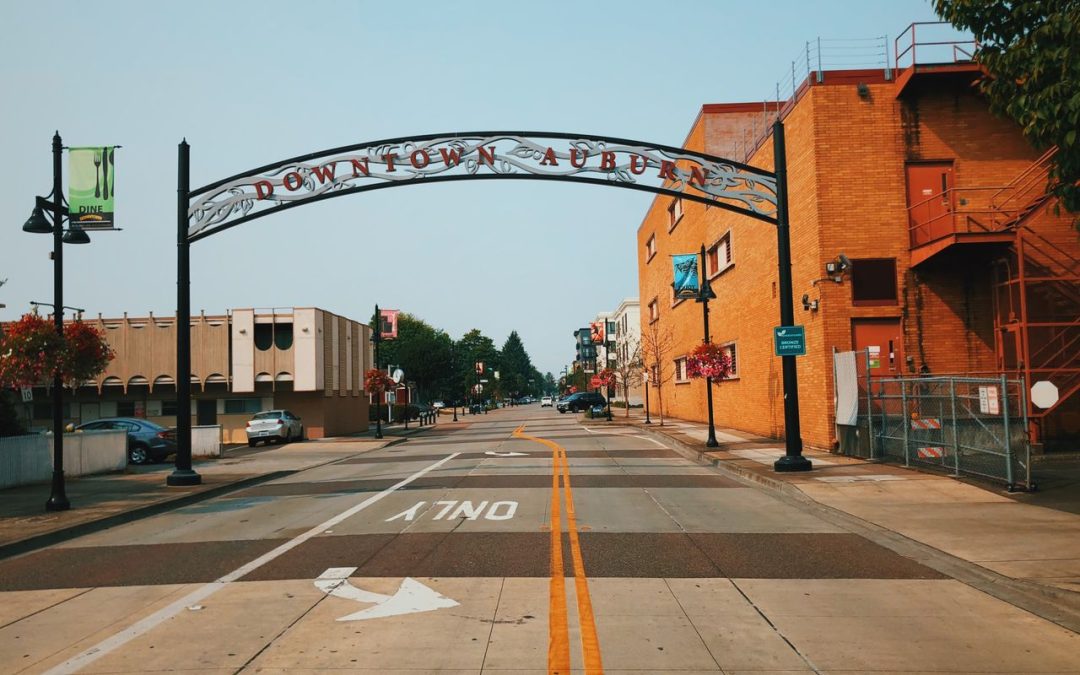
Auburn, Washington sits in the Green River Valley alongside Kent, Renton, and Tukwila, and residents of this South King County corridor share more than a zip code boundary. They share a regional entertainment landscape, a transportation network, and a marine climate that shapes how outdoor venues operate throughout the year. Emerald Downs, the Thoroughbred racetrack that calls Auburn home, stands as one of the most recognizable entertainment destinations in the area.
Understanding its history and seasonal rhythm offers a useful window into what makes this stretch of the Puget Sound lowlands distinct.
A Regional Landmark in the Heart of Auburn
Emerald Downs opened on June 20, 1996, replacing Longacres Racetrack, which had closed in 1992 after sixty seasons of operation. The track sits roughly half a mile east of Highway 167, a corridor that connects Auburn directly to Kent and the rest of the valley. A one-mile oval track with a clear view of Mount Rainier, Emerald Downs was built as a Limited Partnership before the Muckleshoot Indian Tribe purchased the underlying land in 2002 for roughly $70 million. The Tribe later formed Emerald Downs Racing LLC in 2015 and has continued to invest in the property, including a large infield video screen.
Because the facility draws visitors from across South King County, Auburn residents frequently count themselves among its regular race-day crowd. The track’s grandstand includes general admission seating, box seating, and an enclosed clubhouse, giving visitors multiple ways to experience a live event regardless of the weather outside. That layered design matters more than it might seem, since the region’s weather can shift considerably even within a single race weekend.
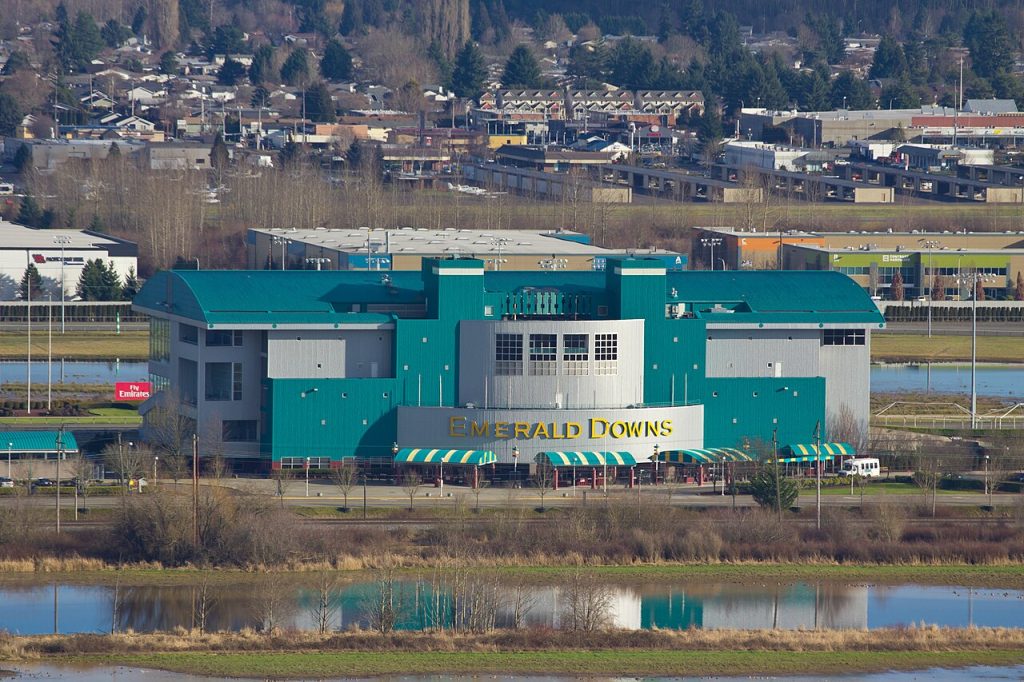
Image credit: Tim from Seattle, WA, USA, CC BY-SA 2.0, via Wikimedia Commons

A Racing Season Built Around Local Weather
Emerald Downs runs its live Thoroughbred season from late April or early May through September, with races held Friday through Sunday. This scheduling decision is not arbitrary. According to the National Weather Service office covering Seattle and Tacoma, the Puget Sound lowlands experience a marine west coast climate, meaning wet, mild winters give way to a comparatively dry and moderate summer stretch. Scheduling live racing for late spring through early fall allows the track to avoid the heaviest rainfall months that typically define a Western Washington winter.
Outside of live racing, Emerald Downs keeps its card room casino and simulcast wagering operating year-round, which lets the facility remain active even when outdoor racing is not in season. This dual approach reflects a broader pattern seen across Auburn’s entertainment scene: venues in this region often pair outdoor, weather-dependent programming with indoor offerings that keep visitors engaged through the wetter months.
Auburn’s Broader Entertainment Identity
Beyond live Thoroughbred racing, Emerald Downs has built a reputation for unconventional programming that draws attention well beyond the valley. The T-Rex World Championship Races, a novelty event launched in 2017, expanded into a large-scale community spectacle that drew over 300 participants by 2025 and earned national television coverage on ESPN2’s “The Ocho” segment. The track also hosts Indian Relay Racing during Father’s Day weekend and houses the Washington Racing Hall of Fame, which recognizes jockeys, trainers, and horses tied to the sport’s history in the state.
The track’s biggest race remains the Longacres Mile, a tradition dating back to 1935 when Longacres founder Joe Gottstein set out to create a signature one-mile event. That race, along with the Muckleshoot Tribal Classic and several other stakes races, gives the Auburn entertainment calendar a rhythm that repeats every summer. Together, these events help define the Green River Valley as a destination rather than simply a pass-through corridor between Seattle and Tacoma.
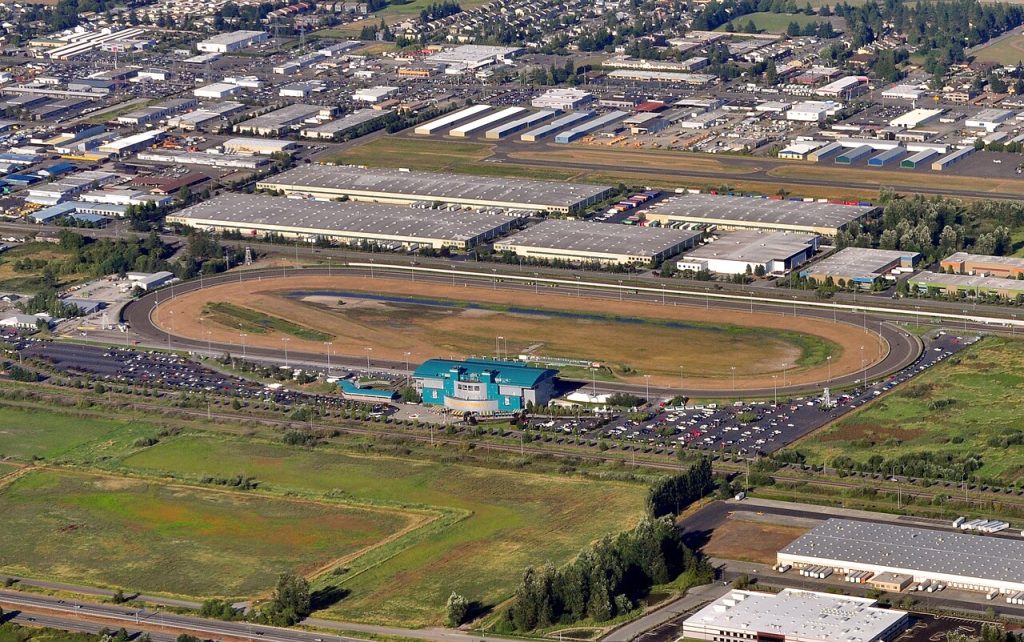
Image credit: Joe Mabel, CC BY-SA 2.0, via Wikimedia Commons

Why This Regional Context Matters for Auburn Residents
Auburn, Kent, and the surrounding Green River Valley communities function as a shared climate zone and a shared entertainment market. An Auburn resident attending a summer race day at Emerald Downs experiences the same weather patterns that affect their own home throughout the year. Recognizing this connection helps explain both the seasonal choices venues like Emerald Downs make and the year-round considerations that come with living in this particular corner of Western Washington. The valley’s identity, in other words, is inseparable from its climate, and its entertainment calendar reflects that reality season after season.