
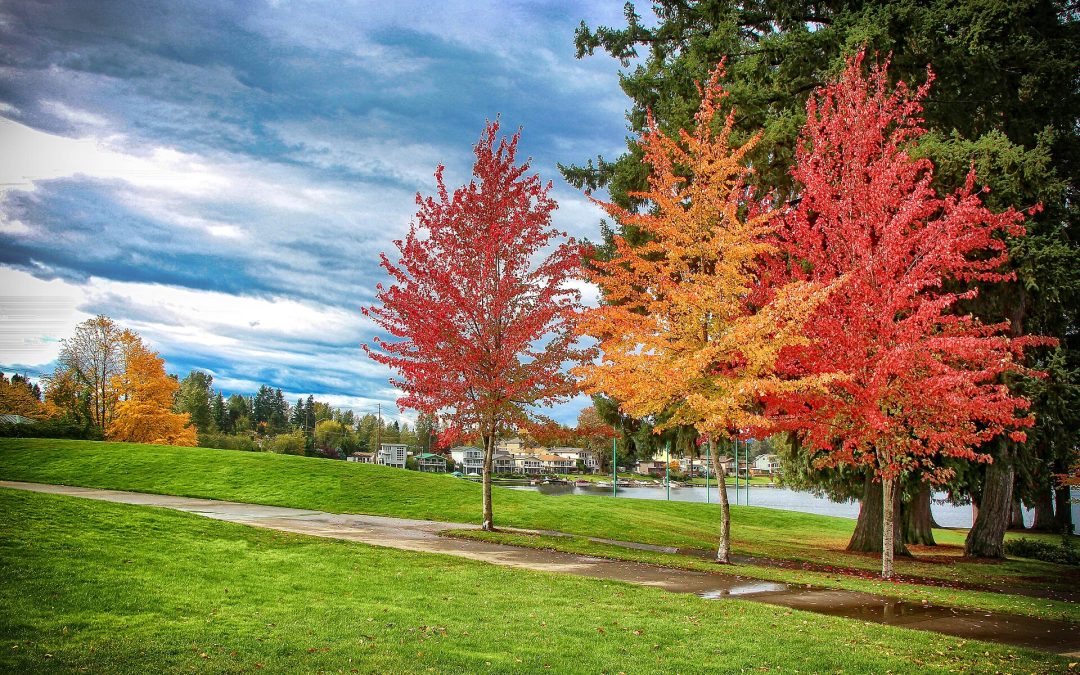
Lake Meridian is the centerpiece of Kent’s most significant natural recreation area — a 150-acre freshwater lake situated in the eastern portion of the city whose swimming beaches, boat launches, trail systems, and the surrounding City of Kent park infrastructure have made it one of the most visited outdoor destinations in the greater Kent community and one of the most valued natural amenities in a city whose rapid suburban development has steadily reduced the open space that long-term residents remember from the valley’s agricultural past.
Managed by the City of Kent Parks department as Lake Meridian Park, the lake and its surrounding 19.6 acres of parkland provide Kent residents with the kind of accessible waterfront recreation. The swimming, fishing, kayaking, and lakeside trail use that Pacific Northwest communities prize within a short drive of the dense residential and commercial development that defines contemporary Kent’s urban character.
For Kent residents, south King County families, and anyone seeking to understand the outdoor recreation landscape that gives this rapidly growing Puget Sound suburban city its most distinctive natural character, Lake Meridian and the eastern recreation corridor provide an essential and revealing starting point.
Lake Meridian’s Geographic Character and Natural Setting
Lake Meridian occupies a natural glacially carved basin in Kent’s eastern hill country — the higher terrain that rises east of the Green River Valley floor where Kent’s downtown and industrial core are concentrated, creating the topographic contrast that gives eastern Kent its distinct character from the flat valley landscape that defines the city’s western and central areas.
The lake’s glacial origins — carved by the continental ice sheets that covered the Puget Sound region during the last ice age and subsequently filled by groundwater and surface runoff from the surrounding hills give it the clear, relatively cold water that characterizes the region’s glacially formed lakes and that supports the cold-water fish species that recreational anglers seek.
The lake’s watershed — the surrounding hill country whose residential development has proceeded rapidly across the past three decades, creates the water quality management challenges that the City of Kent must address to maintain the swimming and fishing quality that Lake Meridian’s recreational users expect.
The City of Kent Parks maintains Lake Meridian Park and publishes current information on water quality monitoring, facility hours, and the seasonal programming that the park supports across the calendar year.
Recreational Facilities and Seasonal Programming
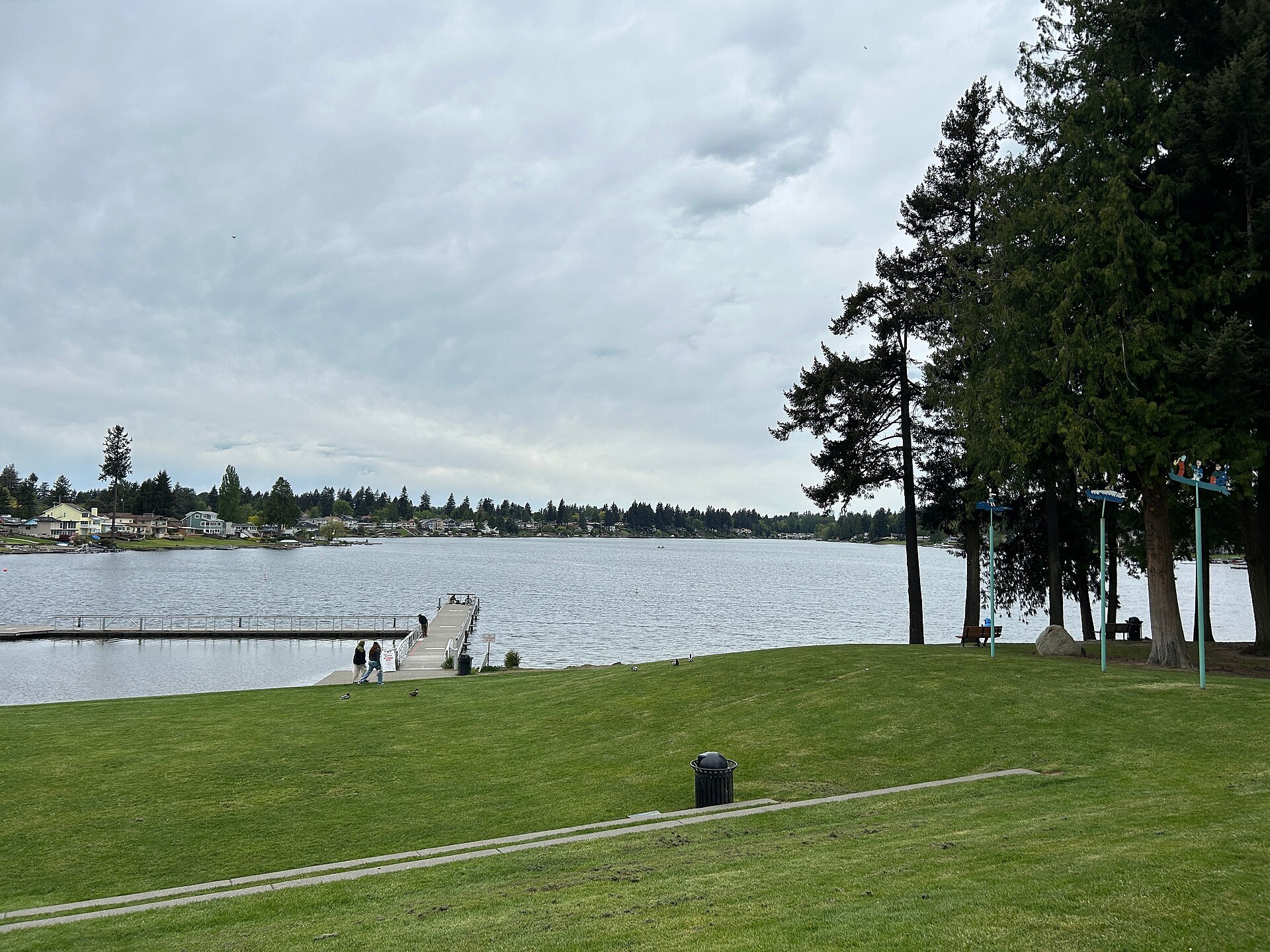
Lake Meridian Park’s recreational infrastructure — the swimming beach with its designated swim area and lifeguard coverage during summer months, the boat launch on the southeast shore that provides lake access, the fishing pier and dock on the southeast shore, and the trail system that circles the lake’s perimeter represents a sustained public investment in waterfront recreation access that gives Kent residents the lakeside amenity that the city’s dense urban fabric would otherwise lack entirely.
The park’s picnic shelters, playground facilities, and open lawn areas provide the family gathering spaces that supplement the water-based recreation as the primary draw for the diverse population of Kent residents and south King County visitors who use the park throughout the warmer months.
The lake’s summer swimming season concentrated in the June through August window when Washington’s marine west coast climate delivers the warmest and driest conditions, represents the period of highest park use and the season when the lake’s beach facilities operate at maximum capacity. The Washington State Department of Ecology monitors recreational water quality across Washington’s lakes and publishes the health advisories that swimming areas like Lake Meridian must observe — the state regulatory framework that governs public swimming beach operations across the City of Kent’s park system
Fishing, Wildlife, and Ecological Character
Lake Meridian supports a recreational fishery managed by Washington Department of Fish and Wildlife — the bass, trout, panfish, and kokanee salmon that stocking programs and harvest regulations sustain against recreational fishing pressure.
The lake’s shallow water habitat along its eastern and southern shores provides the aquatic vegetation cover that warmwater species like bass require, while WDFW stocking maintains the trout and kokanee populations that attract anglers seeking cold-water species.
The lake’s surrounding parkland supports a diversity of wildlife — the great blue herons, bald eagles, and migratory waterfowl that use the lake’s shoreline as feeding and resting habitat, along with the woodland birds and small mammals that inhabit the forested buffers surrounding the developed park areas.
The Washington Department of Fish and Wildlife maintains fishing regulations and stocking data for Lake Meridian. The state agency whose management decisions shape the recreational fishing opportunities that Kent anglers access through the park’s boat launch and fishing pier.
Washington’s Climate and Lake Meridian’s Seasonal Character
Washington State’s marine west coast climate gives Lake Meridian its dramatically seasonal recreational character — concentrating the most intensive outdoor use into the relatively brief but genuinely pleasant summer window while creating the wet-season conditions that limit but do not eliminate outdoor recreation during the fall, winter, and spring months.
Kent experiences a marine west coast climate with mild, wet winters averaging January lows near 36°F, warm and dry summers with average July highs near 77°F, and approximately 40 inches of annual precipitation according to NOAA climate data for the Kent-Seattle area. The precipitation’s concentration in the October through April wet season creates the challenging conditions for outdoor lake recreation during those months while sustaining the watershed hydrology that maintains the lake’s water levels through the dry summer season when recreational demand peaks.
The Pacific Northwest’s notoriously variable spring weather — the alternation between warm, sunny days that feel like summer and cold, rainy days that feel like late fall creates the planning uncertainty that Lake Meridian’s outdoor event programming and casual recreational visitors must accommodate during the shoulder seasons when the lake’s amenities are accessible but the weather’s reliability cannot be assumed.
Lake Meridian’s Role in Kent’s Community Identity
Lake Meridian’s significance to Kent extends beyond its function as a recreational facility into its role as the most important natural landscape anchor in a city whose identity has been substantially shaped by the industrial, warehousing, and commercial development that fills the Green River Valley floor and that gives Kent its economic character as one of the Puget Sound region’s most significant logistics and manufacturing centers.
The lake’s existence as a preserved natural water body within easy reach of Kent’s densely developed residential neighborhoods gives residents a connection to the natural landscape that the city’s built environment alone cannot provide. A civic amenity whose recreational and aesthetic value is recognized in the sustained public investment that the City of Kent has made in maintaining and improving the park’s facilities.
The eastern hill country where Lake Meridian sits — the residential neighborhoods of east Kent whose proximity to the lake represents a genuine quality-of-life advantage in the south King County housing market reflects the pattern of suburban development organized around natural amenities that characterizes the most desirable residential environments in the greater Seattle metropolitan area.
For King County residents and anyone exploring the outdoor recreation and natural landscape of Kent Washington, Lake Meridian and the eastern recreation area represent the most concentrated and most accessible expression of the natural character that sustains quality of life in one of the Puget Sound region’s most industrially significant and most rapidly evolving suburban cities.