
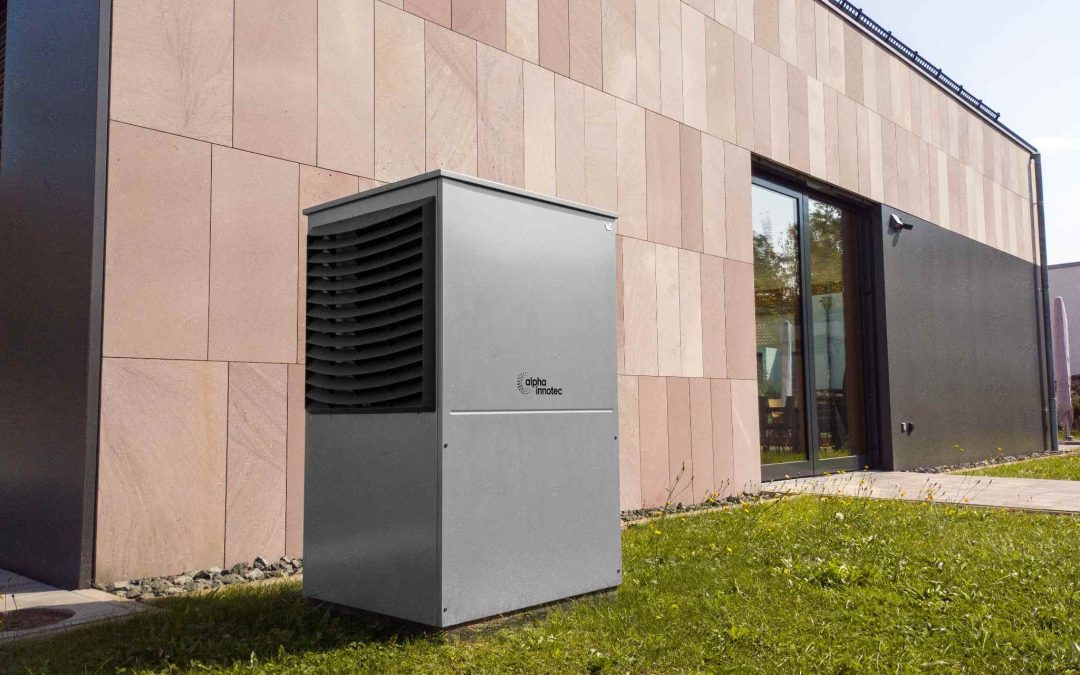
When you install, replace, or upgrade a heating or cooling system in Auburn or anywhere across King County and Pierce County, Washington State’s energy code establishes the efficiency standards and installation requirements that your new equipment must meet. Understanding what Washington’s energy code requires for HVAC systems, how those requirements affect equipment selection and installation, and what the standards mean for Auburn homeowners gives South Puget Sound property owners a concrete framework for making informed heating and cooling decisions that comply with state law and deliver long-term energy performance.
What Washington State’s Energy Code Requires for HVAC Systems
Washington State’s energy code is administered by the Washington State Building Code Council and establishes minimum efficiency standards for heating, cooling, and ventilation systems installed in new construction and replacement applications across the state. The current edition of the Washington State Energy Code sets efficiency requirements that exceed federal minimum standards in several equipment categories, reflecting Washington’s commitment to reducing energy consumption and greenhouse gas emissions from the building sector.
For residential HVAC systems specifically, Washington’s energy code establishes minimum efficiency ratings for furnaces, heat pumps, air conditioners, and ductless mini-split systems that contractors must meet when installing equipment in permitted projects. Gas furnaces installed in Washington must meet minimum Annual Fuel Utilization Efficiency ratings that reflect the state’s stricter efficiency expectations, and heat pumps and air conditioning systems must meet Seasonal Energy Efficiency Ratio and Heating Seasonal Performance Factor minimums that determine how efficiently the equipment converts energy into heating and cooling output.
Auburn homeowners replacing older equipment with new systems should confirm that proposed replacement equipment meets current Washington State Energy Code efficiency minimums before authorizing installation, since equipment that does not meet code cannot be installed on permitted projects. The Washington State Building Code Council’s energy code resources publish the complete Washington State Energy Code requirements, equipment efficiency standards, and compliance documentation that Auburn and King County homeowners can reference when evaluating any HVAC installation or replacement project.
How Washington’s Heat Pump Requirements Affect Auburn Homeowners
One of the most significant recent developments in Washington State’s energy code framework is the state’s increasingly strong preference for heat pump technology over fossil fuel combustion systems in new construction and certain replacement applications. Understanding how Washington’s heat pump requirements and incentive programs apply to Auburn homeowners gives South Puget Sound property owners the context they need to evaluate whether a heat pump system is appropriate for their specific situation.
Washington State has established building codes that strongly favor electric heat pumps over gas furnaces in new construction, reflecting the state’s decarbonization goals and the relatively low carbon intensity of Washington’s electricity grid due to its substantial hydroelectric generation capacity. For Auburn homeowners replacing existing gas heating systems, understanding the current code requirements, utility incentive programs, and the practical performance considerations of heat pump technology in South Puget Sound’s climate helps inform whether a heat pump replacement or a high-efficiency gas furnace is the appropriate choice for a specific home and project scope.
Heat pumps in Auburn’s climate perform effectively across most of the heating season, though homeowners in colder microclimates or with higher heating demands may benefit from dual fuel systems that combine a heat pump with a gas furnace backup. The Washington State Department of Commerce’s heat pump incentive and electrification resources document the state-level building electrification framework and incentive programs that Auburn and South Puget Sound homeowners can reference when evaluating heat pump installation options.
What Washington’s Energy Code Means for Duct Systems and HVAC Installation Quality
Washington State’s energy code addresses not only equipment efficiency ratings but also the installation quality standards that determine whether a properly rated system actually performs at its rated efficiency in a real home. Understanding what Washington’s energy code requires for duct systems, equipment sizing, and installation documentation helps Auburn homeowners evaluate whether a contractor’s proposed installation approach meets the full scope of code compliance requirements.
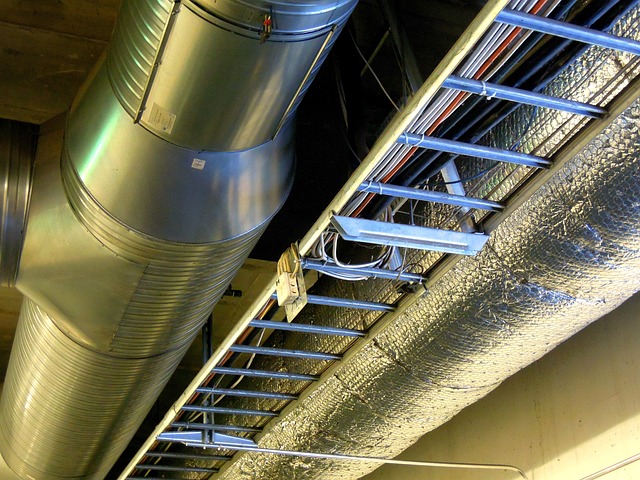
Washington’s energy code requires that duct systems in conditioned spaces meet leakage testing standards that limit the amount of conditioned air lost through duct joints, connections, and penetrations before it reaches living areas. A duct system that leaks conditioned air into unconditioned spaces such as attics, crawlspaces, or wall cavities wastes energy regardless of how efficiently the air handler or furnace operates — making duct sealing and testing a meaningful component of code-compliant HVAC installation.
Equipment sizing requirements in Washington’s energy code call for Manual J load calculations that size heating and cooling equipment based on the specific thermal characteristics of each home rather than rules of thumb or replacement-in-kind assumptions.The Washington State University Energy Program’s HVAC installation and efficiency resources document the technical standards and best practice guidance that governs quality HVAC installation across Auburn and South Puget Sound residential projects.
What Auburn Homeowners Should Ask Before Any HVAC Installation or Replacement Project
Understanding Washington State’s energy code requirements gives Auburn and South Puget Sound homeowners specific questions to ask any HVAC contractor before authorizing installation or replacement work. These questions establish whether the proposed equipment and installation approach meet the full scope of Washington State Energy Code compliance requirements:
- Does the proposed equipment meet current Washington State Energy Code minimum efficiency ratings for its equipment category — and can the contractor provide the equipment’s AFUE, SEER2, or HSPF2 rating for comparison against the applicable code minimum?
- Has the contractor performed a Manual J load calculation for your specific home — and does the proposed equipment size reflect that calculation rather than a simple replacement-in-kind assumption?
- Will the installation include duct leakage testing to confirm that the duct system meets Washington State Energy Code leakage standards — and will the contractor provide documentation of the test results as part of the project completion package?
- If your project requires a building permit, has the contractor confirmed that the proposed equipment and installation approach will pass inspection under the current Washington State Energy Code edition adopted in your jurisdiction?
- For heat pump installations, has the contractor evaluated your home’s insulation levels, window performance, and air sealing status to confirm that a heat pump system will perform effectively in Auburn’s South Puget Sound climate conditions?
An Auburn HVAC contractor who answers these questions specifically and can provide Manual J calculations, equipment efficiency documentation, and duct testing results is one whose installation approach meets the full compliance standard that Washington State’s energy code requires. The Washington State Department of Ecology’s clean energy resources document the environmental policy framework that underlies Washington’s energy code efficiency requirements for Auburn and South Puget Sound HVAC projects.
Auburn HVAC Service Built on Washington State Energy Code Compliance and Lasting Comfort
Understanding Washington State’s energy code and HVAC efficiency standards gives Auburn and South Puget Sound homeowners a concrete compliance framework for evaluating any HVAC contractor or heating and cooling project, one that connects equipment efficiency ratings, installation quality standards, and permit compliance directly to the long-term performance and energy savings your system delivers.
Absolute Heating & Cooling serves Tacoma, Federal Way, Puyallup, Sumner, Edgewood, Bonney Lake, and surrounding South Puget Sound communities as a licensed, bonded, and insured HVAC contractor with over 15 years of residential and light commercial heating and cooling expertise.
Whether you need furnace installation, furnace repair, or gas fireplace services that meet Washington State Energy Code efficiency and installation standards, our team delivers professional workmanship and honest service on every project. Contact Absolute Heating & Cooling today for expert heating and cooling services and find out what energy code compliant HVAC installation looks like in Auburn Washington.