
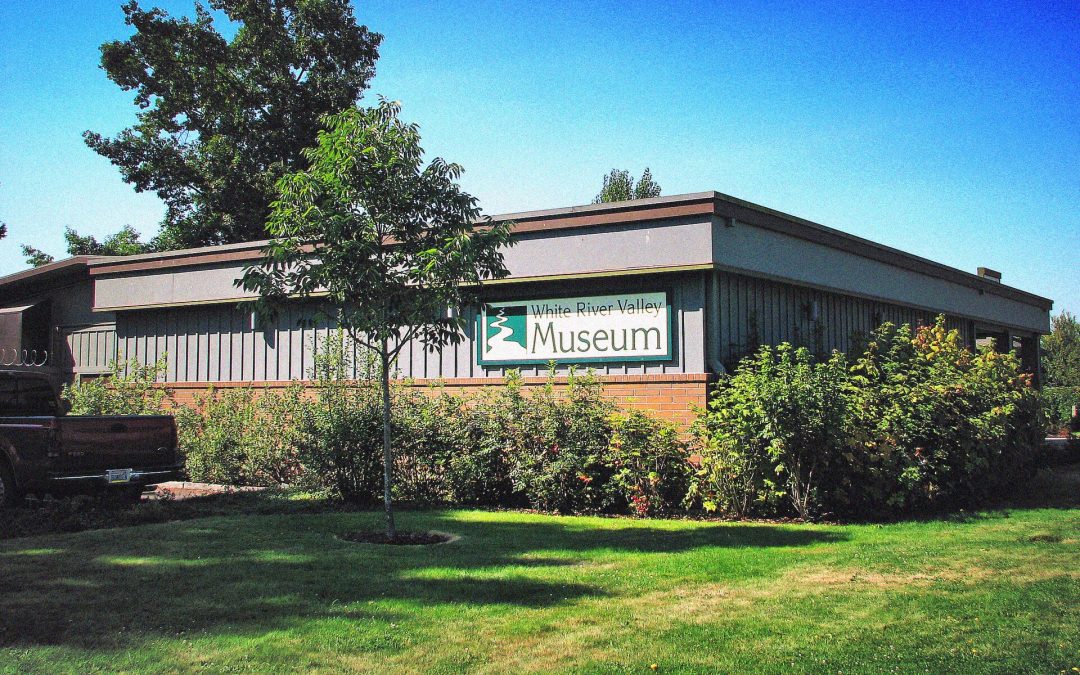
The White River Valley Museum in Auburn, Washington is the primary institutional custodian of the history of the White River Valley — a geographic and cultural region whose agricultural heritage, Japanese American community history, Indigenous peoples’ presence, and the dramatic story of the 1906 White River Valley expulsion of Japanese American farmers give the museum’s collections a depth and historical significance that extends well beyond what its modest Auburn location might suggest to a casual visitor.
Situated in the Les Gove Community Campus in downtown Auburn, the museum serves as the community’s memory institution preserving the documents, photographs, artifacts, and oral histories that connect contemporary Auburn residents to the layered past of a valley whose transformation, from Muckleshoot tribal territory to agricultural frontier to suburban King County community reflects the full complexity of Pacific Northwest regional history.
For Auburn residents, King County families, and anyone seeking to understand the historical foundations of one of Washington State’s most historically rich river valley communities, the White River Valley Museum provides an essential and irreplaceable starting point.
The White River Valley’s Indigenous and Early Settlement History
The White River Valley’s human history predates European American settlement by thousands of years, the Muckleshoot people, whose ancestors inhabited the valley’s river terraces, wetlands, and forested uplands for millennia before contact, developed the sophisticated resource management practices and seasonal settlement patterns that the valley’s ecological richness supported.
The Muckleshoot Tribe, whose reservation lies east of Auburn in the foothills of the Cascade Mountains, maintains a continuous cultural and legal relationship with the White River Valley lands that their ancestors inhabited — a presence that the White River Valley Museum acknowledges and documents as the foundational layer of the region’s human history.
The arrival of Euro-American settlers in the mid-nineteenth century transformed the valley’s land use, displacing the Muckleshoot people from their traditional territory through the treaties of the 1850s and the subsequent homesteading and agricultural development that converted the valley’s rich alluvial soils into the hop yards, dairy farms, and vegetable operations that became the White River Valley’s agricultural identity.
The Muckleshoot Indian Tribe maintains documentation of the tribe’s cultural heritage and ongoing relationship with the White River Valley. The institutional record of the Indigenous history that the White River Valley Museum incorporates into its interpretation of the region’s past.
The Japanese American Community and the 1906 Expulsion
The White River Valley’s Japanese American community history represents one of the most significant and most painful chapters in the region’s past — a story of agricultural achievement, racial violence, and community resilience that the museum documents with particular depth and care. Japanese immigrant farmers arrived in the White River Valley in the late nineteenth and early twentieth centuries, establishing the farming operations that made them central contributors to the valley’s hop and berry agricultural economy.
The community’s growth and agricultural success made White River Valley Japanese American farmers a significant presence in the regional economy across the early decades of the twentieth century — a presence whose abrupt disruption came with the World War II-era forced incarceration that the federal government imposed on Japanese Americans across the Pacific Coast states beginning in 1942.
The forced removal of the White River Valley’s Japanese American community during World War II’s incarceration program gives the museum’s documentation of this history a particular resonance — a period when the full scope of anti-Japanese racism in the Pacific Northwest is receiving renewed scholarly and public attention.
The Densho Digital Repository maintains detailed documentation of the White River Valley’s Japanese American history, the most comprehensive digital resource for understanding the community whose story forms such a significant part of the museum’s interpretive mission.
The Museum’s Collections and Educational Programs
The White River Valley Museum’s collections encompass the full range of material culture, documentary evidence, and oral history that a comprehensive community history museum requires. The agricultural implements, domestic artifacts, photographs, maps, and personal documents that give physical and visual form to the historical narratives the museum interprets.
The museum’s exhibition program — which has addressed topics ranging from Indigenous history and Japanese American community experience to the valley’s agricultural development and the transformation of the Auburn area into its contemporary suburban character, reflects a commitment to inclusive historical interpretation that acknowledges the full diversity of the communities whose stories are embedded in the White River Valley’s past.
The museum’s educational programs serve school groups from across the Auburn School District and the broader King County area, giving the institution a civic function that extends its impact beyond the visitors who walk through its galleries into the educational experience of students who encounter the White River Valley’s history as part of their formal schooling.
The Auburn Washington community’s sustained investment in institutions like the White River Valley Museum reflects the same civic commitment to preserving local heritage that makes Auburn one of the most historically self-aware communities in the King County suburban landscape.
Washington’s Climate and the Museum’s Seasonal Programming
Washington State’s Pacific Northwest climate shapes both the agricultural history that the White River Valley Museum documents and the contemporary visitor patterns that the institution’s programming must accommodate. Auburn experiences a marine west coast climate with mild, wet winters averaging January lows near 35°F, warm and dry summers, and approximately 38 inches of annual precipitation according to NOAA climate data for the Auburn-Seattle area.
This climate, the same marine west coast conditions that made the White River Valley’s alluvial soils so productive for hop and berry farming concentrates the museum’s outdoor programming and community event calendar into the drier summer months when Auburn’s weather reliably supports the outdoor activities that complement indoor gallery visits.
The wet season’s concentration from October through April creates the indoor-focused visitor environment that sustains the museum’s gallery programming during the months when outdoor alternatives are least appealing giving the White River Valley Museum a natural seasonal relevance, as an indoor cultural destination during the gray Pacific Northwest winter that characterizes Auburn’s climate from fall through spring.
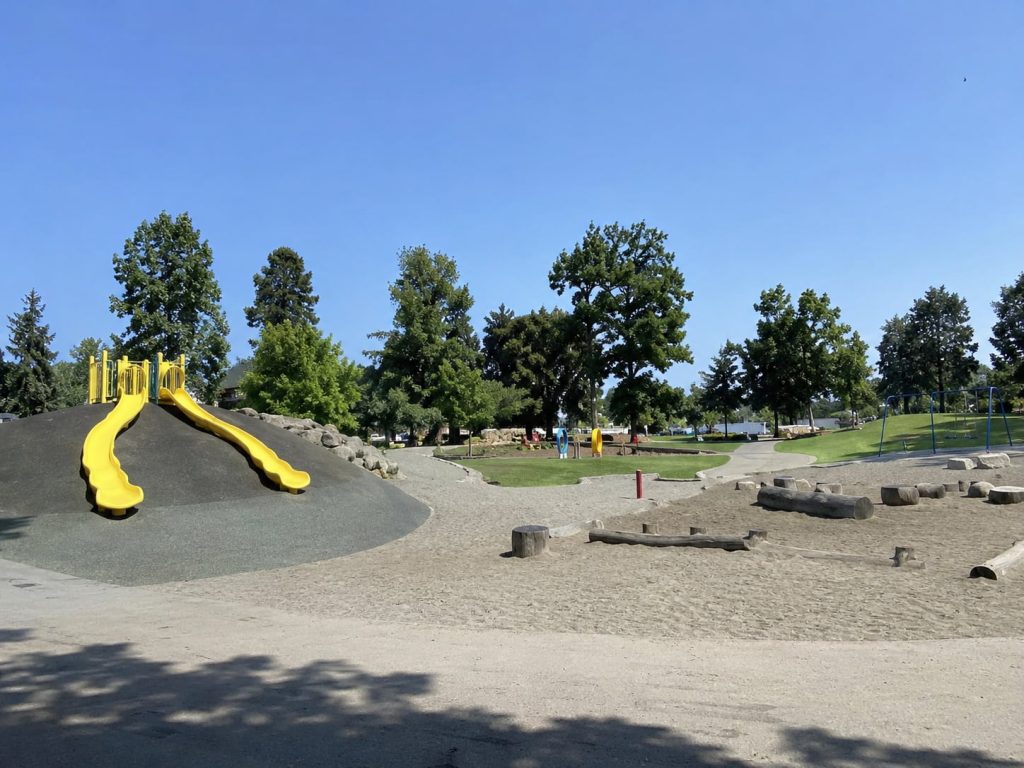
Image Credit: Chris Light, CC BY-SA 4.0, via Wikimedia Commons
The Museum’s Role in Auburn’s Civic Identity
The White River Valley Museum’s significance to Auburn extends beyond its function as a repository of historical objects into its role as the community’s primary institutional expression of civic memory — the organization whose sustained curatorial and interpretive work ensures that the layers of history embedded in the White River Valley landscape remain accessible, comprehensible, and meaningful to the residents whose daily lives unfold on ground that previous generations of Muckleshoot people, Japanese American farmers, and European American settlers also inhabited.
The museum’s location within the Les Gove Community Campus, alongside the Auburn Public Library, the Senior Activity Center, and the Auburn Community and Events Center — places it within Auburn’s primary civic gathering place, reinforcing its identity as a community institution rather than a specialized heritage attraction.
The museum’s ongoing documentation of Auburn’s continuing history, the suburban development, demographic diversification, and economic transformation that have reshaped the White River Valley across the past half century — ensures that its interpretive scope extends to the contemporary community rather than treating Auburn’s past as something frozen at a convenient historical endpoint.
For King County residents and anyone exploring the history and community character of Auburn Washington, the White River Valley Museum remains the most essential and most carefully maintained window into the layered human history of one of the Pacific Northwest’s most historically significant river valley communities.